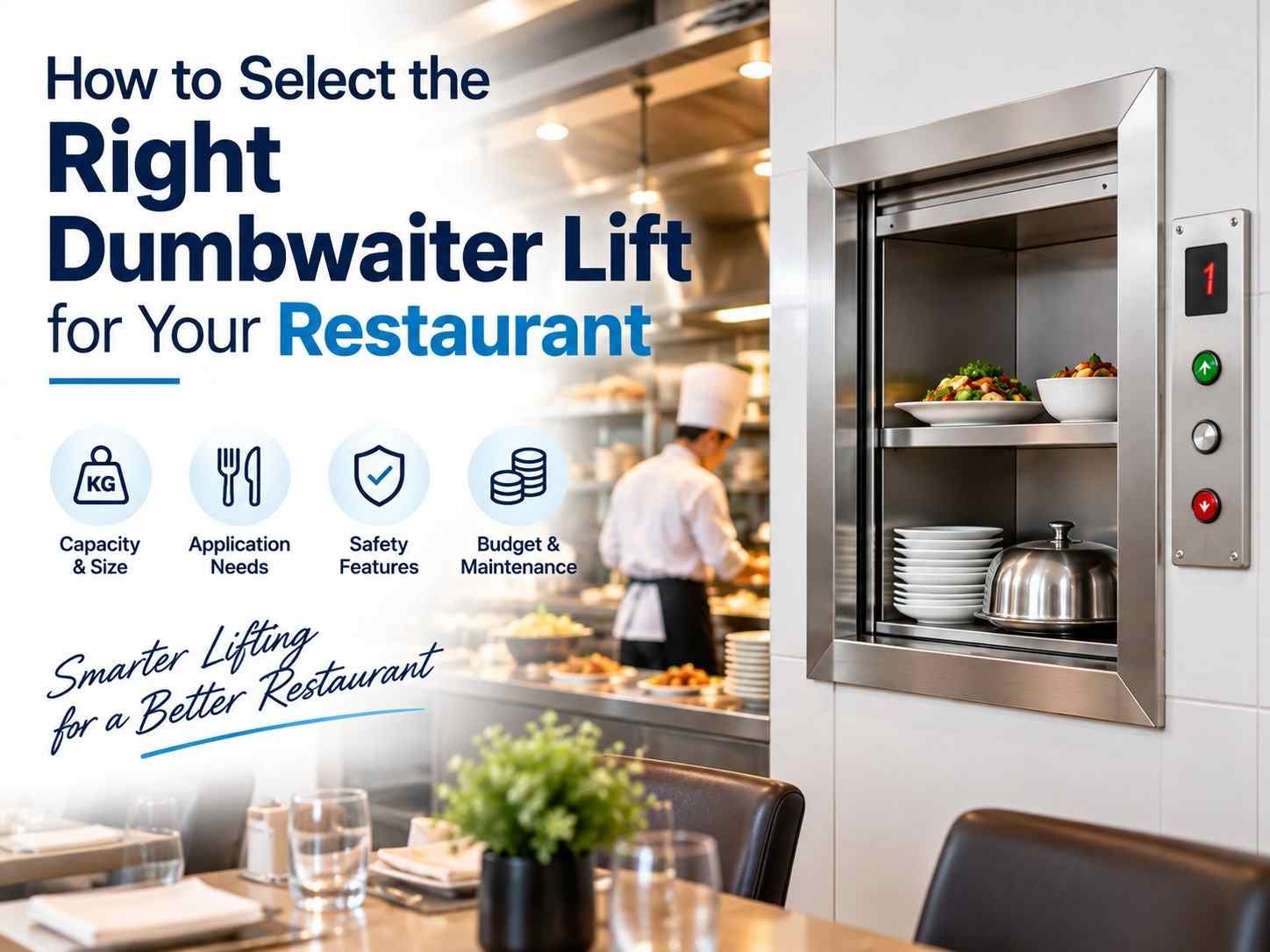
How to Select the Right Dumbwaiter Lift for Your Restaurant
Choosing a dumbwaiter lift for a restaurant is not simply about selecting a small goods lift and fitting it between two floors. The right system should match the type of items being moved, expected load, number of floors, available space, serving routine, and the way staff actually work during busy periods. A well-planned restaurant dumbwaiter can make the movement of food, dishes, ingredients, and other supplies between levels more practical while reducing unnecessary trips by staff. Mr.Dumbwaiter brings 15+ years of experience in dumbwaiter lift solutions, with a trusted approach built around careful planning, quality workmanship, team commitment, and clear communication. This helps restaurant owners make a confident decision based on their actual operating needs rather than choosing a lift on price or appearance alone.
What Type of Dumbwaiter Lift Does Your Restaurant Need?
The first step is to understand what the lift will carry and how frequently it will be used. A restaurant may need a dumbwaiter for prepared food, dishes, kitchen supplies, ingredients, beverages, or general goods. These different uses can affect the required capacity, cabin dimensions, door arrangement, and lift configuration.
For example, a kitchen sending prepared dishes to a dining area may have different requirements from a restaurant moving heavier stock between a storage room and kitchen. A Restaurant Food Lift is commonly planned around the movement of food and kitchen items, while a Commercial Dumbwaiter Lift may be selected for a wider range of goods.
Think about your daily workflow before choosing the equipment:
-
What items will normally be transported?
-
What is the approximate weight of a typical load?
-
How many trips will the lift make each day?
-
Which floors need to be connected?
-
Will staff load items using trays, boxes, containers, or other equipment?
Answering these questions gives you a practical starting point and helps avoid selecting a lift that is either unsuitable for the workload or larger than necessary.
How to Choose the Right Dumbwaiter Lift Size
Lift size should be based on the items you actually plan to transport, not simply on the available opening in the building. The internal cabin needs enough room for the normal load while still allowing staff to load and unload it comfortably.
Consider the dimensions of the largest items that will regularly go inside the cabin. A restaurant using standard trays may have different requirements from one transporting food containers, cartons, kitchen equipment, or larger supplies.
Capacity is equally important. Dumbwaiter Lift Capacity should be considered together with the size and type of goods being moved. A cabin that physically fits an item may still be unsuitable if the total weight exceeds the intended working load.
Before making a selection, measure:
-
Typical load weight
-
Maximum expected load
-
Largest item dimensions
-
Tray or container size
-
Available shaft or installation space
-
Door opening requirements
It is also sensible to consider future use. If your restaurant may expand its menu, storage operation, or service area, choosing equipment only for today's smallest requirement could create limitations later.
How Many Floors Should the Dumbwaiter Lift Serve?
The number of floors is another important part of the selection process. A restaurant operating across two levels may need a straightforward connection between the kitchen and dining area, while a larger property may need the lift to serve several floors.
Start by identifying where goods are loaded and where they are needed. A lift should support the movement pattern of the business rather than simply connect floors because those floors are available.
Consider questions such as:
-
Which floor contains the main kitchen?
-
Where are food preparation and storage areas located?
-
Which floors receive the transported goods?
-
Are there multiple service points?
-
How often will staff use each landing?
The travel height and number of stops should be discussed during planning because they influence the lift configuration and installation requirements. Proper Dumbwaiter Lift Installation planning also helps ensure that the equipment fits the building's available space and intended workflow.
The goal is not necessarily to connect every floor. It is to connect the floors where regular goods movement takes place and make that movement practical for the restaurant team.
How to Match a Dumbwaiter Lift to Your Restaurant Layout
Even a suitable lift can become inconvenient if its location does not work with the restaurant layout. The position of the loading and unloading points can have a direct effect on how easily staff use the system during normal service.
Look at the complete movement route. If kitchen staff have to carry goods across a busy preparation area before reaching the lift, the system may not provide the efficiency expected from it. The same applies at the receiving floor. The landing should be positioned where staff can collect items without creating unnecessary movement or interfering with customer areas.
Before installation, review:
-
Available shaft or structural space
-
Landing positions
-
Door access
-
Kitchen workflow
-
Storage areas
-
Staff movement
-
Electrical and installation requirements
-
Access for servicing
Restaurants should also consider how the lift will fit into the building without disturbing existing operations more than necessary. A careful site assessment can identify practical limitations before equipment is selected.
This is where experienced planning can make a real difference. Dumbwaiter Lift Manufacturers in Malaysia and other specialist suppliers can provide useful technical references when comparing equipment options, but the final selection should always be based on the actual requirements of your restaurant and installation site.
How to Select a Reliable Dumbwaiter Lift Manufacturer
The manufacturer or supplier you choose can affect more than the initial purchase. A good provider should understand the intended application, discuss the site's requirements clearly, and help you select equipment that matches the workload and available space.
Do not judge a manufacturer only by the product photograph or quoted price. Ask about the lift's intended application, capacity, dimensions, installation process, servicing requirements, and available support.
When comparing providers, consider:
-
Experience with commercial lift applications
-
Understanding of restaurant requirements
-
Product specifications and documentation
-
Installation support
-
Maintenance and repair services
-
Availability of replacement components
-
Communication before and after installation
-
Ability to understand your actual site conditions
For comparison research, you may also come across Restaurant Food Lift Manufacturers in Malaysia offering equipment for commercial food-handling applications. Similarly, Warehouse Lift Manufacturers in Malaysia can be useful when researching heavier goods-lifting requirements. These references can help you understand different product approaches, but restaurant requirements should remain the main basis for your final decision.
Mr.Dumbwaiter has 15+ years of experience in dumbwaiter lift solutions. Our team focuses on understanding the application first, then helping clients choose a suitable solution. Our commitment is to keep the process clear and practical, so restaurant owners can move forward with confidence rather than feeling pressured into a particular option.
Common Mistakes When Choosing a Restaurant Dumbwaiter Lift
Many selection problems happen because the lift is chosen before the restaurant's actual requirements are properly understood.
Choosing Only by Price
A lower initial price does not automatically mean the equipment is suitable. Capacity, construction, installation requirements, service support, and long-term use should also be considered.
Ignoring the Largest Load
Planning around an average load can create problems when heavier or larger items need to be transported. Always consider the maximum realistic load.
Selecting the Wrong Cabin Size
A lift may have enough capacity but still be inconvenient if trays, containers, or boxes do not fit comfortably.
Forgetting the Restaurant Workflow
A technically suitable lift can still be poorly positioned. The loading and unloading points should support normal staff movement.
Not Considering Future Requirements
Restaurants can change their menus, storage needs, service areas, and operating patterns. A little forward planning can prevent unnecessary limitations later.
Focusing Only on Installation
Installation is important, but the relationship with the supplier should not end once the lift is fitted. Maintenance, repairs, technical support, and future service needs should also be considered.
How to Make the Final Dumbwaiter Lift Selection
Once you understand your restaurant's requirements, compare the available options against the same practical points. This makes it easier to separate useful specifications from features that may not actually matter to your operation.
Your final checklist should include:
-
Application – What goods will the lift carry?
-
Capacity – What is the maximum realistic load?
-
Cabin size – Will your largest regular items fit comfortably?
-
Travel – Which floors and levels need service?
-
Layout – Where should loading and unloading take place?
-
Installation – What site conditions need to be considered?
-
Service – How will maintenance and repairs be handled?
-
Future use – Could your requirements increase later?
-
Supplier – Does the provider understand your application and communicate clearly?
You can also compare relevant equipment options using Food Lift Manufacturers in Malaysia as a reference point when researching food-lifting systems. However, the best choice for your restaurant should come from a proper assessment of your own building, workload, space, and operating routine.
The right dumbwaiter is the one that fits the job without creating unnecessary complications. Taking time to define your requirements before purchasing can make the installation process clearer and help your team use the system with greater confidence.
A Practical Way to Start
Choosing a dumbwaiter lift does not have to be complicated when the decision starts with the restaurant's real working needs. If you are planning a new installation, replacing an existing system, or simply comparing suitable options, our team at Mr.Dumbwaiter is happy to understand your requirements and discuss the practical possibilities with you.
We believe good service starts with listening, clear communication, and commitment to the work—not simply recommending equipment. If you would like to discuss your restaurant layout, expected load, number of floors, or installation requirements, feel free to speak with our team at +65 67344062. We can take the conversation step by step and help you move toward a solution you feel confident about.
Also Check Out Our Product List
Food Lift | Dumbwaiter Lift | Warehouse Lift | Restaurant Food Lift | Restaurant Lift